Showing posts with label Mopar. Show all posts

Sunday, May 15, 2022

1969 Dodge Coronet R/T Convertible - Midsize 2-Door Convertible / Muscle Car 2007 Gold Series / Muscle Cars Limited Edition 1 of 5,000 - Release 8 - 3/4 Diecast Scale 1:72 by Johnny Lightning

Durante la hora estelar de los Muscle Cars, la que puede ser considerada propiamente como la Era Dorada de esa clase de vehículos, a saber de mediados hasta finales de los 60s, nombres como: Mustang, GTO, Camaro, Firebird, Charger, AMX, Chevelle, 442, Cougar, Javelin, Shelby Cobra o Nova, estuvieron en boca de todo el mundo... 

No obstante, la "fauna" en el ecosistema de los Muscle Cars fue mucho más variopinta que lo que revelan los grandes nombres anteriores; de hecho, incluyó algunos vehículos ligeramente más grandes que habitualmente pasan desapercibidos, autos con un perfil más bajo y con todo ofreciendo un desempeño que puede rivalizar con aquel de los "sospechosos" usuales en ese segmento... 

Vehículos con un estilo más bien señorial, basados en coches familares, orientados al confort más que al manejo agresivo, pero había una enorme sorpresa debajo del capó, que les da suficiente brío para estar en una pista de arrancones sin ser avergonzados y algunas veces, presentando algunos gráficos a juego. 

En ese grupo, nombres menos conocidos entre el público general, pero bien respetados entre los entusiastas de los carros, porque ellos saben lo que estos nombres significan, como: Superbee, Gran Torino, Impala, Sport Fury, Galaxie, Grand Sport, Savoy, Cyclone, Dart, Grand Prix, GTX, GS 455 Stage 1, Fairlane, Roadrunner, Catalina, Comet, Belvedere, Super Marauder, Bel Air, Coronet, etc., son hitos automotrices. 

Mi invitado para esta publicación pertenece al grupo que ya mencioné y tengo que decir que añade elegancia y presencia a vehículos que normalmente son algo despojados y enfocados en el rendimiento más que en cualquier otra cosa: el Dodge Coronet R/T Convertible de 1969, un Convertible 2 Puertas de Tamaño Mediano / Muscle Car. 

Su apariencia externa puede ser bastante engañosa, ya que como expliqué aquí y aquí, el Coronet "nació" como un carro de lujo, tope de línea, por allá en 1949, parte de las ofertas de tamaño completo de Dodge y no fue sino hasta 1965, luego de un hiato de 6 años, que el modelo llegó a ser parte del segmento de tamaño medio. 

A pesar que el Coronet dejó de ser un auto de lujo y se convirtió en modelo de nivel de entrada, el R/T era una historia muy diferente, con muchas características estándar que trajeron de vuelta la mayoría del lujo que solía tener y más importante aún, un motor de 439.7 pulgadas cúbicas, 7.2 L, 440 V-8 Magnum desarrollando subestimados 375 hp y la opción de un motor HEMI (ofreciendo también subestimados 425 hp). 

Y solo estas características harían de este coche uno altamente deseable, eso es seguro, pero la marca de la Estrella Pentagonal, a saber Chrysler, también era conocida por sus bajas cifras de producción para esta clase de vehículos en particular y digamos que apenas 317 unidades del Coronet R/T 440 Convertible y 10 unidades del Coronet R/T HEMI Convertible, hacen de este carro uno de los más buscados y admirados, por razones muy concretas... 

Después de un poco menos de 10 años de haber sido introducido a Johnny Lightning, de la mano de una de sus líneas basadas en la franquicia de los Dukes of Hazzard, no dejo de sorprenderme por los fabulosos productos que ofrece y su enfoque convincente en los coleccionistas adultos, que ha permanecido consistente después de su renacimiento en 1994 y más propiamente desde 1997, con muy pocas excepciones, continuando después de su segundo renacimiento en 2016... 

Este jugador de la categoría Premium, a diferencia de las marcas de Mattel, Hot Wheels y Matchbox, no tiene un aparato fuerte de mercadeo, una plataforma virtual de ventas muy ampulosa (Mattel Creations) o un ejército de promotores de marca (con perfil de lamezuelas), listos para mentir acerca de la calidad de sus productos o sobre su "impacto en la cultura del coleccionismo" y expertos en el uso de toda clase de argumentos de venta engañosos, con el fin de entronizar artículos que no son ni de cerca tan "grandiosos" como ellos reclaman... 

En realidad, Johnny Lightning no necesita toda esa basura para convencer a los coleccionistas, cuando la calidad es el argumento que necesitamos y el argumento que la marca del relámpago ha estado esgrimiendo desde que Thomas Lowe tomó sus riendas... 

Alguien que, justo como otros directivos en compañías verdaderamente dirigidas a coleccionistas adultos, no teme invertir más para ofrecer un mejor producto, en lugar de recortar costos a toda costa, culpar a la inflación y luego usar mercadeo para hacer que estos artículos "luzcan fantásticos", cuando para ser honestos dejan mucho que desear frecuentemente... 

A propósito, quiero ser claro: no estoy en contra de usar el mercadeo para promover productos y servicios, porque estoy consciente que ayuda, algunas veces bastante, a impulsar las ventas y es un recurso valioso cuando tienes algo realmente bueno que ofrecer: eso es mercadeo ético. 

Pero definitivamente detesto el mercadeo no-ético usado por Mattel (Hot Wheels / Matchbox) y otras grandes empresas, que pretende embaucar a consumidores, compradores y coleccionistas por igual, con productos hechos masivamente, presentando acabados pobres o más baratos y una etiqueta de precio que no está a la par con lo que estás consiguiendo, porque están sobrevaluados, entre otras cosas porque lo que deben invertir en el producto, es invertido en mercadeo... 

Entre las varias líneas que Johhny Lightning ha producido desde la segunda mitad de los 90s, una de mis favoritas tiene que ser la Serie Gold y hay buenas razones para eso. 

Conseguí el artículo incluido en esta reseña a través del mercadeo secundario, con la ayuda de un amigo mío, colega coleccionista, importador y vendedor privado, hace más de 9 años; pertenece a la Serie Gold / Muscle Cars de 2007, Edición Limitada 1 de 5.000, Lanzamiento 8 y esta línea fue introducida originalmente en 2003, cuando el primer lanzamiento incluyó 12 modelos, la presentación fue la típica tarjeta grande, gruesa y bonita, impresa a todo color. 

Después de un hiato de más o menos 3 años, la Serie Gold / Muscle Cars reapareció en 2006, con el Lanzamiento 2 y una nueva presentación en Clam-Pack resellable (clamshell), similar a la usada por mi invitado, un diseño de tarjeta diferente y más agradable, incluyó solo 6 modelos y una base de exhibición con cubierta transparente (casi idéntica a la usada por mi invitado también). 

El mismo año fueron ofrecidos el Lanzamiento 3, con la misma presentación del lanzamiento anterior y solo cuatro modelos, el Lanzamiento 4, con ajustes ligeros al diseño de empaque y en el Lanzamiento 5 (del cual uno de sus modelos fue publicado aquí), la presentación fue "estandarizada" (Clam-Pack más base de exhibición espejada con cubierta transparente). 

Para 2007 fueron introducidos los Lanzamientos 6, 7, 8 y el final fue el Lanzamiento 9 para 2008; esta fue en mi opinión una de las mejores líneas jamás ofrecidas por Johnny Lightning y puede ser comparada propiamente con la Serie Hot Wheels 100%, aunque en la mayoría de casos es aún mejor en algunos aspectos, particularmente con respecto al factor de buena relación calidad-precio. 

El suntuoso trabajo de pintura fue hecho en dorado con acabados escarcha metálica y lustroso, uno de los colores de fábrica para el vehículo real y Johnny Lightning es bastante precisa en ese sentido la mayoría de veces, fue complementado por tampos y/o calcomanías completos para las luces frontales, de señal, de cola, parrilla frontal, emblemas y molduras de ventanas, manijas de las puertas, molduras de los arcos para las ruedas, paneles inferiores, la franja R/T en el parte trasera, el sistema de inducción N96 Ramchanger, con inductores gemelos en el capó, bómperes frontal y trasero, también para la cola con luces triples y el impresionante trabajo en el chasis. 

El parabrisas fue trabajado agradablemente, así como los interiores bastante detallados en negro, con la cubierta del techo en blanco; la selección de ruedas multiparte es muy apropiada, clásica y realista, con diseño de rimes Dog Dish en cromado, llantas en caucho (sintético) labradas, con una fantástica franja roja (otro "guiño" a las llantas del coche real), la más que bienvenida base de exhibición espejada con cubierta transparente y un adhesivo dorado, con el nombre del modelo impreso en negro; finalmente, fue hecho en China... 

Ezq 33:10-12 "Tú, pues, hijo de hombre, di a la casa de Israel: Vosotros habéis hablado así, diciendo: Nuestras rebeliones y nuestros pecados están sobre nosotros, y a causa de ellos somos consumidos; ¿cómo, pues, viviremos? Diles: Vivo yo, dice JEHOVÁ el SEÑOR, que no quiero la muerte del impío, sino que se vuelva el impío de su camino, y que viva. Volveos, volveos de vuestros malos caminos; ¿por qué moriréis, oh casa de Israel? Y tú, hijo de hombre, di a los hijos de tu pueblo: La justicia del justo no lo librará el día que se rebelare; y la impiedad del impío no le será estorbo el día que se volviere de su impiedad; y el justo no podrá vivir por su justicia el día que pecare."

ENGLISH 
During the primetime of Muscle Cars, what can be considered properly as the Golden Era of that kind of vehicles, namely from the mid to late 60s, names like: Mustang, GTO, Camaro, Firebird, Charger, AMX, Chevelle, 442, Cougar, Javelin, Shelby Cobra or Nova, were in the mouth of everybody... 

Nonetheless, the "wildlife" in the Muscle Cars ecosystem was way more motley than what the previous big names reveal; in fact, it included some slightly larger vehicles that usually go unnoticed, cars with a lower profile and yet offering a performance that could rival that of the usual "suspects" in that segment... 

Vehicles with a rather manorial style, based on family cars, geared to comfort rather than to an aggressive driving, but there was a huge surprise under the hood, that gives them enough verve to be on a drag track without being embarrassed and sometimes, featuring some matching graphics. 

In that group, names lesser known among the general public, but well respected among car enthusiasts, because they know what those names mean, like: Superbee, Gran Torino, Impala, Sport Fury, Galaxie, Grand Sport, Savoy, Cyclone, Dart, Grand Prix, GTX, GS 455 Stage 1, Fairlane, Roadrunner, Catalina, Comet, Belvedere, Super Marauder, Bel Air, Coronet, etc., are automotive milestones. 

My guest for this publication belongs to the group I already mentioned and I have to say that it adds elegance and presence to vehicles that normally are somewhat stripped and focused on performance more than anything else: the 1969 Dodge Coronet R/T Convertible, a Midsize 2-Door Convertible / Muscle Car. 

Its external appearance can be quite deceptive, since as I explained here and here, the Coronet "was born" as a luxury car, top of the line, back in 1949, part of the full-size offers by Dodge and it was not until 1965, after a hiatus of 6 years, that the model became part of the midsize segment. 

Despite the Coronet stopped being a luxury car and it became an entry level model, the R/T was a very different story, with many standard features that brought back most of the luxury it used to have and more importantly, a 439.7 cu in, 7.2 L, 440 V-8 Magnum engine developing underrated 375 hp and the option of a HEMI engine (offering also underrated 425 hp). 

And these features alone would make this car a highly desirable one, that’s for sure, but the brand of the Pentastar, namely Chrysler, was also know by its low production figures for this kind of vehicles in particular and let’s say that barely 317 units of the Coronet R/T 440 Convertible and 10 units of the Coronet R/T HEMI Convertible, make this car one of the most wanted and admired, for very concrete reasons... 

After a bit more than 10 years of having been introduced to Johnny Lightning, by the hand of one of its lines based on the Dukes of Hazzard franchise, I don’t stop to be amazed by the great products it offers and its convincing focus on adult collectors, that has remained consistent after its revival in 1994 and more properly since 1997, with very few exceptions, continuing after its second revival in 2016... 

This player of the Premium category, unlike the brands of Mattel, Hot Wheels and Matchbox, doesn’t have a strong marketing apparatus, a very bombastic virtual sales platform (Mattel Creations) or an army of brand promoters (with a bootlicking profile), ready to lie about the quality of their products or their "impact in the collectionism culture" and experts in the use of all kind of misleading sales pitches, in order to enthrone items that are not nearly as "great" as they claim... 

Actually, Johnny Lightning doesn’t need all that rubbish to convince collectors, when quality is the argument we need and the argument that the brand of the lightning bolt has been wielding since Thomas Lowe took its reins... 

Someone who, just like other executives in companies truly aimed at adult collectors, is not afraid to invest more to offer a better product, instead of cutting costs at all cost, then blaming the inflation and using marketing to make these items "look fantastic", when to be honest they leave a lot to be desired frequently... 

By the way, I want to be clear: I’m not against the use of marketing to promote products or services, because I’m aware it helps, sometimes quite a bit, to boost sales and it’s a valuable resource when you have something really good to offer: that’s ethical marketing. 

But I definitely hate the not-ethical marketing used by Mattel (Hot Wheels / Matchbox) and other large companies, that pretends to dupe consumers, buyers and collectors equally, with products done massively, featuring poor or cheaper finishes and a price tag that is not on par with what you’re getting, because they’re overpriced, among other things because what they must invest in the product, is invested in marketing... 

Among the several lines that Johhny Lightning has produced since the second half of the 90s, one of my favorites has to be the Gold Series and there are good reasons for that. 

I got the item included in this review through the secondary market, with the help of a friend of mine, fellow collector, importer and private seller, more than 9 years ago; it belongs to the 2007 Gold Series / Muscle Cars, Limited Edition 1 of 5,000, Release 8 and this line was introduced originally in 2003, when the first release included 12 models, the presentation was the typical big, thick and nice card, printed in full color. 

After a hiatus of pretty much 3 years, the Gold Series / Muscle Cars reappeared in 2006, with the Release 2 and a new presentation in reseleable Clam-Pack (clamshell), similar to the one used for my guest, a different and nicer card design, it included only 6 models and a display base with clear cover (almost identical to the one used for my guest too). 

The same year were offered the Release 3, with the same presentation of the previous release and only four models, the Release 4, with slight tweaks to the packaging design and in the Release 5 (of which one of its models was published here), the presentation was "standardized" (Clam-Pack plus mirrorized display base with clear cover). 

For 2007 were introduced the Releases 6, 7, 8 and the final one was the Release 9 for 2008; this was in my opinion one of the best lines ever offered by Johnny Lightning and it can be compared properly with the Hot Wheels 100% Series, albeit in most cases it’s even better in some aspects, particularly regarding the good value for money factor. 

The sumptuous paint job was made in golden with fine metal flake and glossy finishes, one of the factory colors for the actual vehicle and Johnny Lightning is quite accurate in that sense most times, it was complemented by full tampos and/or decals for front, signal, tail lights, front grille, emblems and windows moldings, door handles, wheels arches moldings, rocker panels, the R/T stripe at the rear, the N96 Ramchanger induction system, with twin hood scoops, front and rear bumpers, also for the tail with triple lights and the impressive work on the chassis. 

The windshield was nicely worked, as well as the fairly detailed interiors in black, with the top cover in white; the multipart wheels selection is very appropriate, classic and realistic, with Dog Dish rims design in chrome, styled (synthetic) rubber tires, with a fantastic red stripe (another "wink" to the tires in the actual car), the more than welcome mirrorized display base with clear cover and a golden sticker, with the name of the model printed in black; finally, it was made in China... 

Ezk 33:10-12 "Therefore, O thou son of man, speak unto the house of Israel; Thus ye speak, saying, If our transgressions and our sins be upon us, and we pine away in them, how should we then live? Say unto them, As I live, saith the LORD GOD, I have no pleasure in the death of the wicked; but that the wicked turn from his way and live: turn ye, turn ye from your evil ways; for why will ye die, O house of Israel? Therefore, thou son of man, say unto the children of thy people, The righteousness of the righteous shall not deliver him in the day of his transgression: as for the wickedness of the wicked, he shall not fall thereby in the day that he turneth from his wickedness; neither shall the righteous be able to live for his righteousness in the day that he sinneth."

Sunday, February 27, 2022

1973 - 2009 - 2011 Show Off (’70 Dodge Challenger) - Concept Custom Muscle Car - 2011 HotWheelsCollectors.com Series / Real Riders Series - Release 10 - 6/6 Limited Edition (2,223 of 3,500) Diecast No Scale by Hot Wheels

Bueno, supongo que ya era hora para mí de hablar acerca de un tema que había evadido por un tiempo, porque necesitaba recopilar y analizar la información que he encontrado sobre esto y el tema que estoy mencionando es el infame Red Line Club, una iniciativa paralela del programa o más bien estrategia Hot Wheels Collectors, el cual a su vez es básicamente un sitio web o plataforma virtual para reunir a personas interesadas en Hot Wheels... 

Por cierto, estas estrategias fueron fusionadas recientemente, junto con otras líneas de productos, en la pomposamente llamada Mattel Creations, una "plataforma elevada para coleccionistas" cuyo objetivo es "reimaginar los juguetes", introduciendo la idea de pensar en ellos como objetos de "arte": suena inspirador, pero es solo mercadeo... 

Sabes, cuando se trata de ser ampuloso, el gigante rojo tiende a exagerar demasiado con su auto-adulación, porque Mattel pretende establecer el "nuevo estándar para el coleccionismo", enseñándonos a los coleccionistas los "qués" y los "cómos" de "la nueva forma de desarrollar nuestra afición", como si fueramos pobres almas necesitadas de iluminación sobre cómo hacer lo que hacemos mejor... 

"Algo" pretencioso, ¿no crees?, pero ¡ey!, es Mattel de la que estamos hablando: una marca que ha estado enfocada consistentemente en los compradores y las ventas, obviamente, pero se promociona a sí misma como una marca "enfocada en los coleccionistas", mientras trata de imponer su visión mercantilista en nuestra afición... 

Realmente no importa cuanto Mattel trate de maquillar la realidad: sus estrategias y productos muestran su verdadero enfoque y propósito, mucho más elocuentemente que sus campañas de mercadeo... 

Y hablando de estrategias, el sitio web de Hot Wheels Collectors comenzó en algún punto de 2000, como una especie de grupo, foro o comunidad virtual, conformada principalmente por compradores de productos desarrollados por la marca del logo llameante y algunos "moderadores"

La primera suposición en este caso, es que esos "moderadores" eran coleccionistas experimentados, lo que puede o no ser verdad, pero ya que esta era y es una estrategia de mercadeo, no simplemente una comunidad virtual para coleccionistas, el rol de estos "moderadores" cambiaría para convertirse en promotores de marca con el tiempo. 

Que Hot Wheels Collectors era y es una estrategia de mercadeo, se hizo evidente una vez que el sitio web implementó muy rápidamente una tienda virtual de Hot Wheels Collectors / Red Line Club (en el cual el término "club" es un eufemismo, algo que explicaré después), pero esto también fue notable porque la "comunidad" de Hot Wheels Collectors se convirtió en la herramienta perfecta para sondear el mercado alrededor de los productos Hot Wheels. 

Después de todo, en una "comunidad" mono-marca como esa, es más fácil promover o imponer la idea que "Hot Wheels es la mejor marca para coleccionstas disponible en el mercado" entre una audiencia cautiva: la típica parcialidad que encuentras en esa clase de "comunidades" cerradas. 

Más aún, esta clase de "comunidades" hace también más fácil vender productos más bien sobrevaluados: ya que sus miembros están comprometidos con la marca, no sienten la necesidad de verificar el universo de opciones disponible para ellos en el mercado de coleccionables hechos por otras marcas, así que ellos piensan por defecto, entre otras cosas, que Hot Wheels ofrece buena relación calidad - precio, cuando en realidad esto no es así en la mayoría de casos. 

Hot Wheels Collectors como estrategia virtual, probablemente fue una continuación de la línea de productos Hot Wheels 100%, la cual también resultó ser una estrategia de mercadeo, pero una que si tuvo una recepción positiva gradual entre coleccionistas adultos, solo que esta última funcionó más con "canales tradicionales" como envíos por correo y después ventas minoristas. 

No he terminado con este tema y ni siquiera he comenzado a hablar sobre el Red Line Club, pero si DIOS permite, estoy planeando continuar en una reseña futura para profundizar en su verdadera naturaleza, no la que es divulgada por Hot Wheels / Mattel en sí y sus promotores de marca, a propósito... 

Luego inmediatamente, cambiémos el foco a mi invitado para esta publicación, el cual obviamente es parte de las ofertas de Hot Wheels Collectors / Red Line Club, pero lo conseguí a través del mercado secundario, aquí en mi patria, con la ayuda de un amigo mío, colega coleccionista e importador / vendedor privado, hace más o menos 6 años. 

Ahora, tengo que ser claro en esto: NO, no pagué una pequeña fortuna por este artículo y nunca lo haré; aquellos que me conocen bien están conscientes que estoy absolutamente en contra de pagar demás por cualquier cosa, incluyendo coleccionables, hacerlo es estúpido, por decir lo menos y sé que los artículos de Hot Wheels Collectors / Red Line Club son objeto de aumento de precios obsceno de forma regular... 

Eso es especulación desafachatada y no tiene nada que ver con nuestra afición, pero ciertamente es una práctica común entre acaparadores / especuladores y compradores egocéntricos; ya que no pertenezco a ninguno de esos grupos, confieso que conseguí mi invitado por un precio muy, muy razonable, que creo fue incluso más bajo que el precio inicial cuando fue lanzado originalmente. 

Debo confesar también que no estaba buscándolo específicamente, pero puesto que me encantan los modelos conceptuales / de diseñador / de fantasía / originales / licenciados internamente en términos generales y este estaba a un precio muy tentador, pensé que no era mala idea añadirlo a mi colección, estaba en el lugar y tiempo correctos, así que ¿por qué no?... 

El modelo, llamado Show Off, fue diseñado por Larry Wood y tiene el estilo de la vieja escuela que deberías esperar de él, fue lanzado originalmente en 1973, como modelo de 1 solo año, lo cual es algo curioso pero no es un caso único; es una variante del modelo Bye-Focal, igualmente diseñado por Wood para 1971 y la diferencia entre ellos es que este último tenía una cubierta plástica tintada de azul o transparente, para el capó. 

Ambos modelos están holgadamente inspirados por el Dodge Challenger de 1970, con frente alargado y un par de V8s en la bahía del motor; ambos modelos fueron reeditados, con moldes nuevos pero reproduciendo muy fielmente los modelos originales: el Bye-Focal fue lanzado nuevamente en 2003, 2005 y 2007, mientras que el Show Off fue lanzado nuevamente en 2009 y 2011. 

Mi invitado pertenece a la Serie HotWheelsCollectors.com / Real Riders, Lanzamiento 10, consistente en 6 autos de juguete, con 2 modelos de diseñador, 2 modelos basados en coches reales pero altamente modificados con el fin de crear versiones que nunca existieron en la vida real y 2 versiones de vehículos reales moderadamente personalizados. 

En esa época, habían 2 Series principales, una introduciendo los modelos Neo Classics, inspirados por los primeros Hot Wheels producidos entre 1968 y 1972, los cuales presentaban pintura Spectraflame en la mayoría de casos (despúes fue introducida la pintura esmalte), los cuales pertenecían a la categoría Regular o Línea Principal, no había tal cosa como líneas Adultas en ese entonces. 

Los otros eran los modelos Real Riders, inspirados por modelos posteriores de la línea Real Riders, introducida en 1983 como parte de la Línea Principal (categoría Regular); ambas Series presentaban tarjetas con diseño retro, pero incluían toques contemporáneos: estas son Series fuertemente enfocadas en la nostalgia. 

De hecho, no es la primera vez que introduzco un modelo de Hot Wheels Collectors (HWC) / Red Line Club (RLC), incluí el anterior en la sesión de fotos y puedes leer acerca de él aquí, solo que en ese momento sabía muy poco sobre HWC / RLC. 

El Show Off ofrece construcción completa en diecast y el nivel de detalle está por encima del promedio, excepto en el chasis, aunque es un carro de juguete y en ese sentido, a pesar de todas sus características especiales, la máxima categoría que podría alcanzar es De Lujo, justo como todos los modelos producidos para Hot Wheels Collectors, Red Line Club, incluyendo sus lanzamientos bonus y los modelos creados para convenciones, excepto aquellos basados en moldes Hot Wheels 100%, los cuales son réplicas a escala o modelos de diseñador a escala, no autos de juguete. 

No hay tal cosa como coches de juguete Premium, eso es simplemente otra falacia creada a través de campañas de mercadeo engañosas de Mattel y sus marcas Hot Wheels / Matchbox. 

El chasis recibió acabado cromado y luce muy bonito; el trabajo de pintura en Classic Yellow es muy atractivo también, sin embargo, encuentro una inconsistencia: pretendidamente para ese año presentaba acabado "Spectraflame", es decir, base en cromado pulido con pintura candy, en su lugar, luce para mí más como el acabado "Mirrorized" (Espejado), que supuestamente fue introducido después, en 2013. 

Mi invitado tiene un defecto en la pintura, en el guardafangos frontal derecho, cerca del pilar A, pero al menos los tampos mínimos fueron bien aplicados, así como las calcomanías y el techo en blanco con acabados Metalflake más perlado es muy pulcro, no hay características de apertura. 

Tiene ventanas transparentes e interiores blancos con un nivel de detalle decente, ofrece ruedas multiparte presentando diseño de rimes Deep Dish Real Riders, con acabado cromado, llantas en caucho sintético labradas, con franjas blancas y fue hecho en China... 

Hch 19:28-32 "Cuando oyeron estas cosas, se llenaron de ira, y gritaron, diciendo: ¡Grande es Diana de los efesios! Y la ciudad se llenó de confusión, y a una se lanzaron al teatro, arrebatando a Gayo y a Aristarco, macedonios, compañeros de Pablo. Y queriendo Pablo salir al pueblo, los discípulos no le dejaron. También algunas de las autoridades de Asia, que eran sus amigos, le enviaron recado, rogándole que no se presentase en el teatro. Unos, pues, gritaban una cosa, y otros otra; porque la concurrencia estaba confusa, y los más no sabían por qué se habían reunido."

ENGLISH 
Well, I guess it was about time for me to talk about a topic I had evaded for a while, because I needed to collect and analyze the information I have found about it and the topic I’m mentioning is the infamous Red Line Club, a parallel initiative of the Hot Wheels Collectors program or rather strategy, which in turn is basically a website or virtual platform to gather people interested in Hot Wheels... 

By the way, these strategies were recently merged, along with other lines of products, in the pompously named Mattel Creations, an "elevated collectors platform" whose goal is "to reimagine toys", introducing the idea of thinking on them as objects of "art": sounds inspiring, but it’s just marketing... 

You know, when it comes to being bombastic, the red giant tends to exaggerate too much with its self-flattery, because Mattel pretends to establish the "new standard for collectionism", teaching us collectors the "whats" and "hows" of the "new way to develop our hobby", as if we were poor souls in need of enlightenment about doing what we do best... 

"Kinda" pretentious, don’t you think so?, but hey!, it's Mattel we're talking about: a brand that has been consistently focused on buyers and sales, obviously, but promotes itself as a brand "focused on collectors", while tries to impose its mercantilist vision in our hobby... 

It really doesn’t matter how much Mattel tries to make up reality: its strategies and products show its true focus and purpose, much more eloquently than its marketing campaigns... 

And talking about strategies, the Hot Wheels Collectors website started at some point of 2000, as a sort of virtual group, forum or community, made up mainly of buyers of products developed by the brand of the flaming logo and some "moderators"

The first assumption in this case, is that those "moderators" were experienced collectors, which may or may not be true, but since this was and is a marketing strategy, not just a virtual community for collectors, the role of these "moderators" would change to become brand promoters over time. 

That Hot Wheels Collectors was and is a marketing strategy, became evident once the website implemented very quickly a virtual store of Hot Wheels Collectors / Red Line Club (in which the term "club" is an euphemism, something I will explain later), but it was also noticeable because the Hot Wheels Collectors "community" became the perfect tool to probe the market around Hot Wheels products. 

After all, in a mono-brand "community" like that, it’s easier to promote or impose the idea that "Hot Wheels is the best brand for collectors available in the market" among a captive audience: the typical bias you find in that kind of closed "communities"

Even more, this kind of "communities" makes easier as well to sell rather overpriced products: since their members are engaged with the brand, they do not feel the need to check the universe of options available for them in the market of collectibles made by other brands, so they think by default, among other things, that Hot Wheels offers good value for money, when actually this is not like that in most cases. 

Hot Wheels Collectors as virtual strategy, probably was a follow-up of the Hot Wheels 100% line of products, which happened to be a marketing strategy as well, but one that did have a gradual positive reception among adult collectors, only that the latter worked more with "traditional channels" like mailing and later retail sales. 

I’m not done with this topic and I have not even started to talk about the Red Line Club, but if GOD allows, I’m planning to continue in a future review to deepen in its true nature, not the one that is publicized by Hot Wheels / Mattel themselves and their brand promoters, by the way... 

So right away, let’s change the spotlight to my guest for this publication, which obviously is part of the offers of the Hot Wheels Collectors / Red Line Club, but I got it through the secondary market, here in my homeland, with the help of a friend of mine, fellow collector and importer / private seller, pretty much 6 years ago. 

Now, I have to be clear on this: NO, I didn’t pay a small fortune for this item and I will never do so; those who know me well are aware that I’m absolutely against paying in excess for anything, including collectibles, doing it is stupid, to say the least and I know that items from Hot Wheels Collectors / Red Line Club are subject of obscene price gouging in a regular basis... 

That’s blatant speculation and it has nothing to do with our hobby, but it’s certainly a common practice among hoarders / scalpers and self-centered buyers; since I don’t belong to those groups, I confess that I got my guest for a very, very reasonable price, which I think was even below the asking price when it was originally released. 

I must confess as well that I wasn’t looking for it specifically, but since I love concept / designer / fantasy / original / internally licensed models in general terms and this one was at a very tempting price, I thought it was not a bad idea to add it to my collection, I was at the right place and time, so why not?... 

The model, called Show Off, was designed by Larry Wood and it has the old school style you should expect from him, it was originally released in 1973, as a 1 year only model, which is somewhat curious but it’s not an unique case; it’s a variant of the Bye-Focal model, equally designed by Wood for 1971 and the difference between them is that the latter had a plastic blue tinted or clear cover, for the hood. 

Both models are loosely inspired by the 1970 Dodge Challenger, with elongated front and a pair of V8s in the engine bay; both models were reissued, with new molds but reproducing very faithfully the original models: the Bye-Focal was released again in 2003, 2005 and 2007, while the Show Off was released again in 2009 and 2011. 

My guest belongs to the 2011 HotWheelsCollectors.com / Real Riders Series, Release 10, consisting of 6 toy cars, with 2 designer models, 2 models based on actual cars but heavily modified in order to create versions that never existed in real life and 2 moderately customized versions of actual vehicles. 

At that time, there were 2 main Series, one introducing the Neo Classics models, inspired by the first Hot Wheels produced between 1968 and 1972, which featured Spectraflame paint in most cases (later it was introduced the enamel paint), which belonged to the Regular category or Mainline, there was no such thing as Adult lines back then. 

The other were the Real Riders models, inspired by later models of the Real Riders line, introduced in 1983 as part of the Mainline (Regular category); both Series featured cards with retro design, but included contemporary touches: these are Series strongly focused on nostalgia. 

In fact, it’s not the first time I introduce a model from Hot Wheels Collectors / Red Line Club, I included the previous one in the photoshoot and you can read about it here, only that at that moment I knew very little about HWC / RLC. 

The Show Off offers full diecast construction and the level of detail is above average, except in the chassis, albeit it’s a toy car and in that sense, despite all its special features, the maximum category it could reach is Deluxe, just like all the models produced for Hot Wheels Collectors, Red Line Club, including their bonus releases and models created for conventions, except those based on Hot Wheels 100% molds, which are scale replicas or scale designer models, not toy cars. 

There is no such thing as Premium toy cars, that’s just another fallacy created through misleading marketing campaigns by Mattel and its brands Hot Wheels / Matchbox. 

The chassis received chrome finishing and looks very nice; the paint job in Classic Yellow is very appealing too, however, I find an inconsistency: allegedly for that year it featured the "Spectraflame" finishing, i.e. chrome plated polished base with candy paint, instead, it looks for me more like the "Mirrorized" finishing, that supposedly was introduced later, in 2013. 

My guest has a blemish in the paint, on the front right fender, near the A pillar, but at least the minimal tampos were well applied, as well as the decals and the top in white with Metalflake plus pearled finishes is very neat, there are no opening features. 

It has clear windows and white interiors with a decent level of detail, it offers multipart wheels featuring Deep Dish Real Riders rims design, with chrome finishing, styled synthetic rubber tires, with white stripes and it was made in China... 

Act 19:28-32 "And when they heard these sayings, they were full of wrath, and cried out, saying: Great is Diana of the Ephesians. And the whole city was filled with confusion: and having caught Gaius and Aristarchus, men of Macedonia, Paul's companions in travel, they rushed with one accord into the theater. And when Paul would have entered in unto the people, the disciples suffered him not. And certain of the chief of Asia, which were his friends, sent unto him, desiring him that he would not adventure himself into the theater. Some therefore cried one thing, and some another: for the assembly was confused; and the more part knew not wherefore they were come together."

Sunday, December 5, 2021

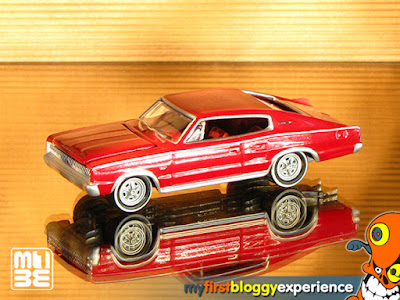
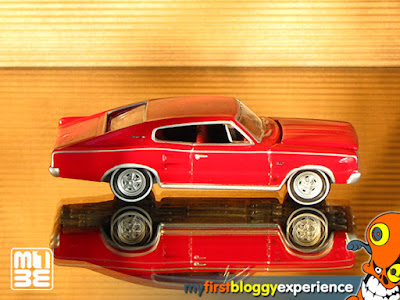
1966 Dodge Charger (Jack & Terri Ulrich’s 1966 Dodge Charger) - Intermediate / Midsize 2-Door Fastback Hardtop Coupe Muscle Car / Sports Car 2005 Muscle Cars U.S.A. Real Wheels Series 1/6 Diecast Scale 1:68 plus 1967 Dodge Charger - Intermediate / Midsize 2-Door Fastback Hardtop Coupe Muscle Car / Sports Car 2009 Military Rods Series 10/26 Diecast Scale 1:65 by Hot Wheels

En el triunvirato de los fabricantes de autos más grandes de los Estados Unidos, a saber: Ford Motor Company, General Motors Company y Chrysler Corporation, el último mencionado es probablemente el menos "tradicionalmente norteamericano" en términos de estilo exterior... 

Si hay una especie de diseño automotriz "característico" o "tradicional" en la tierra de la bandera de estrellas y con más o menos 130 años de desarrollos en este segmento de la industria, puedes decir con seguridad que Estados Unidos ha creado muchos ejemplos de vehículos que pueden ser reconocidos a nivel mundial como "productos del mercado norteamericano", Chrysler y sus vehículos no se ajustan demasiado a esta descripción... 

Quizás es solo mi opinión, pero de lo que he leído sobre la industria automotriz en los Estados Unidos y me gusta leer mucho, mi percepción es compartida por muchas personas versadas en el mundo del automóvil, porque la mayoría de vehículos hechos por Chrysler Corporation, especialmente aquellos del siglo pasado, se sienten un poquitín "fuera de lugar" puestos lado a lado con productos de Ford o General Motors. 

Y no estoy siquiera implicando con esta percepción, que la particularidad acerca de Chrysler es una desventaja cuando se trata de diseño / estilo, NO, en realidad pienso que es una ventaja, porque esto la hace una marca con un perfil más "global" o "internacional", más "versátil" en mercados diferentes, pero podría ser una desventaja cuando se trata de ventas en el mercado de los Estados Unidos. 

Sin embargo, eso es precisamente lo que hace a las marcas de coches parte de Chrysler Corporation, conocida actualmente como Stellantis North America, subsidiaria de la corporación multinacional Stellantis N.V., particularmente interesantes para mí como diseñador y coleccionista, estos productos se apartan de lo tradicional y por eso es que mis invitados para esta publicación, basados en el: Dodge Charger de 1966 - 1967, un Coupé Fastback de Tamaño Intermedio / Mediano 2 Puertas Techo Duro Muscle Car / Auto Deportivo, no son una rareza con respecto a mis preferencias automotrices... 

Dodge, una división de carros en Chrysler que está posicionada en el nivel medio de precios y equipamiento, ha estado convenientemente asociada con desempeño y deportividad, junto con Plymouth, una división extinta en la actualidad y para 1966 introdujo al icónico Charger, un modelo basado en el Coronet, el cual a su vez solía ser el nivel más alto de acabados en vehículos ofrecidos por Dodge, con un perfil orientado al lujo. 

La carrocería encajada del Coronet, que en la segunda mitad de los 60s era ya un auto familiar de tamaño mediano / intermedio, recibió un cambio sustancial en su silueta con una configuración fastback, que distingue al Charger de otros Muscle Cars / Coches Deportivos de la época y era lo suficientemente singular como para diferenciarse de su primo más pequeño, el Plymouth Barracuda. 

La primera generación del Charger con su frente más bien lujoso y diseño de vanguardia fastback trasero, que fue bastante radical para vehículos de tamaño mediano, permanece como un enfoque audaz de una división de carros que sufrió varios contratiempos con sus productos durante la primera mitad de los 60s y marcó un giro de acontecimientos oportuno que puso a Dodge en el centro de atención de personas que estaban anhelando autos con rendimiento y estilo escandalosos... 

Productos de Dodge, ya sea en la forma de coches de juguete o réplicas a escala, son un tema recurrente en mi colección de modelos basados en vehículos, quiero decir, incluso tengo una versión malvada del Dodge Viper Competition Coupe de 2003, que tambien es un Transformer de la Serie Binaltech (de la cual puedes leer aquí), así que no hace falta decir que es una de mis marcas de autos favorita de todos los tiempos... 

Esta vez estoy presentando dos productos basados en prácticamente el mismo modelo: el Charger (hubo cambios menores entre las interpretaciones de 1966 y 1967), pero uno de ellos es una réplica a escala de la categoría Premium, mientras que el otro es un coche de juguete de una línea Intermedia (algo entre las categorías Regular y Adulta) e incluí una deliciosa versión de M2 Machines en la sesión de fotos... 

Conseguí ambos modelos a través del mercado secundario, con la ayuda de un amigo mío, colega coleccionista e importador / vendedor privado, hace más o menos 9 años y obviamente, ninguno de ellos estuvo disponible en el mercado primario. 

El Charger de Johnny Lightning fue lanzado originalmente en 2003, ha tenido al menos 34 iteraciones; mientras que el Charger de Hot Wheels fue diseñado por David Weise, introducido en 2000 y ha tenido al menos 35 iteraciones, incluyendo variaciones, para líneas de las categorías Regular, Intermedia, Adulta y De Lujo (aparentemente fue descontinuado en 2012). 

Mi ejemplo de Johnny Lightning pertenece a la Serie Muscle Cars U.S.A. Real Wheels de 2005 y está basado en un carro real propiedad de Jack & Terri Ulrich; por cierto, algunos autos reales pertenecientes a gente real fueron presentados en esta Serie de vez en cuando, añadiendo realismo extra al producto, una conexión especial con el modelo y ese fue un enfoque bastante innovador y singular en ese tiempo, pero algo muy en línea con lo que puedes esperar de esta marca Premium

Mi ejemplo de Hot Wheels, por otro lado, pertenece a la Serie Military Rods de 2008, un producto creado para tiendas seleccionadas, incluyendo Wal-Mart, pero no fue exclusivo de ninguna de ellas; curiosamente, fue empacado en una tarjeta usada normalmente para líneas Adultas, impresa a todo color y más gruesa que aquellas usadas para líneas Regulares, pero el coche de juguete en sí no ofrecía todas las características que esperas en un producto de una línea Adulta, como chasis en diecast y/o ruedas Real Riders, por eso es que es una línea Intermedia

El Charger de Johnny Lightning ofrece carrocería y chasis en diecast, con un muy buen nivel de detalle a todo alrededor, particularmente teniendo en cuenta que fue desarrollado en una escala más pequeña, mientras que el Charger de Hot Wheels ofrece carrocería en diecast y chasis en plástico con acabado cromado y el nivel de detalle general no es tan bueno como en su contraparte JL, obviamente, pero es muy bueno para un carro de juguete y me gusta más el trabajo de la parrilla frontal. 

El trabajo de pintura en la muestra de JL fue hecho en rojo con acabado brillante, complementado por tampos y/o calcomanías profusos para todos los detalles principales, como: bómperes frontal y trasero, parrilla frontal, molduras laterales y de ventanas, emblemas frontales, traseros y laterales, mientras el trabajo de pintura en la muestra de HW fue hecho en verde oliva con acabado satinado, complementado por una bonita decoración, sobre el capó, paneles laterales y cola, en champaña metalizado y negro. 

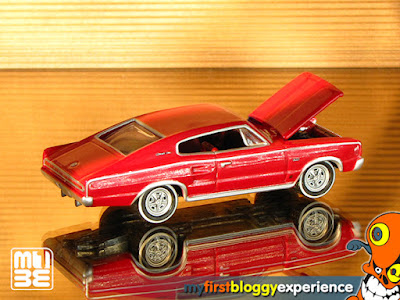
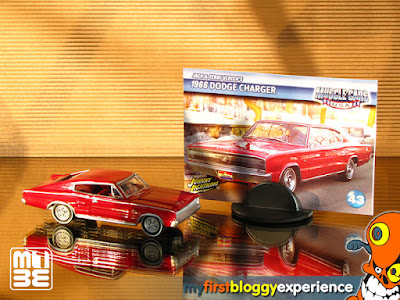
La muestra JL tiene interiores en rojo oscuro, agradablemente detallados, mientras la muestra HW tiene interiores verdes con el nivel de detalle básico habitual, ambos modelos ofrecen ventanas transparentes; el Charger de JL tiene apertura de capó con bahía del motor detallada y pintada, pero es incluida también una tarjeta de colección fantástica, impresa al frente con una foto del auto real en el cual está basado. 

Hay ruedas multiparte presentado diseño de rimes Magnum 500 Cragar (5 Slots) en plateado y ruedas en caucho sintético labradas con franjas blancas muy elegantes hechas con tampos, para el Charger de JL, mientras que en el caso del Charger de HW, las ruedas son plásticas, presentando diseño de rimes 5 Spokes en cromado, con tampos amarillos Army Strong; fueron hechos respectivamente en China y Tailandia... 

Ezq 31:10-14 "Por tanto, así dijo JEHOVÁ el SEÑOR: Ya que por ser encumbrado en altura, y haber levantado su cumbre entre densas ramas, su corazón se elevó con su altura, yo lo entregaré en manos del poderoso de las naciones, que de cierto le tratará según su maldad. Yo lo he desechado. Y lo destruirán extranjeros, los poderosos de las naciones, y lo derribarán; sus ramas caerán sobre los montes y por todos los valles, y por todos los arroyos de la tierra será quebrado su ramaje; y se irán de su sombra todos los pueblos de la tierra, y lo dejarán. Sobre su ruina habitarán todas las aves del cielo, y sobre sus ramas estarán todas las bestias del campo, para que no se exalten en su altura todos los árboles que crecen junto a las aguas, ni levanten su copa entre la espesura, ni confíen en su altura todos los que beben aguas; porque todos están destinados a muerte, a lo profundo de la tierra, entre los hijos de los hombres, con los que descienden a la fosa."

ENGLISH 
In the triumvirate of the largest car manufactures from United States, namely: Ford Motor Company, General Motors Company and Chrysler Corporation, the last one mentioned is probably the least "traditionally American" in terms of exterior styling... 

If there is a sort of "characteristic" or "traditional" automotive design in the land of the star spangled flag and with pretty much 130 years of developments in this segment of the industry, you can say safely that United States has created many examples of vehicles that can be recognized worldwide as "products from the American market", Chrysler and its vehicles don’t fit too much in this description... 

Perhaps it’s just my opinion, but from what I have read about the automotive industry in United States and I like to read a lot, my perception is shared by many people versed in the world of the automobile, because most vehicles made by Chrysler Corporation, specially those from the last century, feel a bit "out of place" put side by side with products by Ford or General Motors. 

And I’m not even nearly implying with this perception, that the particularity about Chrysler is a drawback with it comes to design / styling, NO, actually I think it’s an advantage, because it makes it a brand with a more "global" or "international" profile, more "versatile" in different markets, but it could be a drawback when it comes to sales in the market of United States. 

However, that’s precisely what makes the car brands part of Chrysler Corporation, currently known as Stellantis North America, subsidiary of the multinational corporation Stellantis N.V., particularly interesting for me as designer and collector, these products depart from the traditional and that’s why my guests for this publication, based on the: 1966 - 1967 Dodge Charger, an Intermediate / Midsize 2-Door Fastback Hardtop Coupe Muscle Car / Sports Car, are not an oddity regarding my automotive preferences... 

Dodge, a car division in Chrysler that is ranked in the mid level of price and equipment, has been conveniently associated with performance and sportiness, along with Plymouth, a currently extincted division and for 1966 introduced the iconic Charger, a model based on the Coronet, which in turn used to be the top trim level in vehicles offered by Dodge, with a luxury-oriented profile. 

The boxy body of the Coronet, that in the second half of the 60s was already a midsize / intermediate family car, received a substantial change in its silouette with a fastback configuration, that set apart the Charger from other Muscle Cars / Sports Cars of that time and it was singular enough to make a difference with its smaller cousin, the Plymouth Barracuda. 

The first generation of the Charger with its rather luxurious front and avant-garde fastback rear design, that was quite radical for midsize vehicles, remains as a bold approach from a car division that suffered several setbacks with its products during the first half of the 60s and marked a timely turn of events that put Dodge in the spotlight of people who were craving for cars with outrageous performance and style... 

Products by Dodge, either in the form of toy cars or scale replicas, are a recurring topic in my collection of models based on vehicles, I mean, I even have a wicked version of the 2003 Dodge Viper Competition Coupe, that is also a Transformer from the Binaltech Series (of which you can read here), so it’s needless to say that is one of my all time favorite car brands... 

This time I’m featuring two products based on virtually the same model: the Charger (there were minor changes between the 1966 and 1967 renditions), but one of them is a scale replica from the Premium category, while the other is a toy car from an Intermediate line (something between the Regular and Adult categories) and I included a delicious version by M2 Machines in the photoshoot... 

I got both models through the secondary market, with the help of a friend of mine, fellow collector and importer / private seller, pretty much 9 years ago and obviously, none of them were available through the local primary market. 

The Charger by Johnny Lightning was released originally in 2003, it has had at least 34 iterations; while the Charger by Hot Wheels was designed by David Weise, introduced in 2000 and it has had at least 35 iterations, including variations, for lines in the Regular, Intermediate, Adult and Deluxe categories (apparently it was discontinued in 2012). 

My example by Johnny Lightning belongs to the 2005 Muscle Cars U.S.A. Real Wheels Series and it’s based on an actual car owned by Jack & Terri Ulrich; by the way, some actual cars belonging to actual people were featured in this Series every now and then, adding extra realism to the product, a special connection with the model and that was a quite innovative and singular approach at that time, but something very in the line with what you can expect from this Premium brand. 

My example by Hot Wheels, on the other hand, belongs to the 2009 Military Rods Series, a product created for selected stores, including Wal-Mart, but it was not exclusive of any of them; curiously, it was packed in a card used normally for Adult lines, printed in full color and thicker than those used for Regular lines, but the toy car itself didn’t offer all the features you expect in a product from an Adult line, like diecast chassis and/or Real Riders wheels, that’s why it’s an Intermediate line. 

The Charger by Johnny Lightning offers diecast body and chassis, with a very good level of detail all around, particularly taking into account that it was developed in a smaller scale, while the Charger by Hot Wheels offers diecast body and plastic chassis with chrome finishing and the overall level of detail is not as good as in its JL counterpart, obviously, but it’s very good for a toy car and I like more the work on the front grille. 

The paint job in the JL sample was made in red with glossy finishing, complemented by profuse tampos and/or decals for all the main details, like: front and rear bumpers, front grille, side and windows moldings, front, rear and side emblems, while the paint job in the HW sample was made in olive green with satin finishing, complemented by a nice decoration, on the hood, side panels and tail, in metallic champagne and black. 

The JL sample has dark red interiors, nicely detailed, while the HW sample has green interiors with the usual basic level of detail, both models offer clear windows; the Charger by JL has opening hood with detailed and painted engine bay, but it’s included as well a fantastic trading card, printed in front with a picture of the actual on which it’s based. 

There are multipart wheels featuring Magnum 500 Cragar (5 Slots) rims design in silver and styled synthetic rubber tires with very elegant white stripes made with tampos, for the JL Charger, while in the case of the HW Charger, the wheels are plastic, featuring 5 Spokes rims desing in chrome, with yellow Army Strong tampos; they were made respectively in China and Thailand... 

Ezk 31:10-14 "Therefore thus saith the LORD GOD; because thou hast lifted up thyself in height, and he hath shot up his top among the thick boughs, and his heart is lifted up in his height; I have therefore delivered him into the hand of the mighty one of the heathen; he shall surely deal with him: I have driven him out for his wickedness. And strangers, the terrible of the nations, have cut him off, and have left him: upon the mountains and in all the valleys his branches are fallen, and his boughs are broken by all the rivers of the land; and all the people of the earth are gone down from his shadow, and have left him. Upon his ruin shall all the fowls of the heaven remain, and all the beasts of the field shall be upon his branches: to the end that none of all the trees by the waters exalt themselves for their height, neither shoot up their top among the thick boughs, neither their trees stand up in their height, all that drink water: for they are all delivered unto death, to the nether parts of the earth, in the midst of the children of men, with them that go down to the pit."